Oil furnace installation in Alpharetta, GA comes with a few wrinkles gas and electric replacements don't: tank logistics, chimney liners, and a fuel-specific fire code. This guide breaks down what a new system actually costs here in 2026, which permits you can't skip, and what install day looks like from start to finish.
Is It Time for a New Oil Furnace Installation?
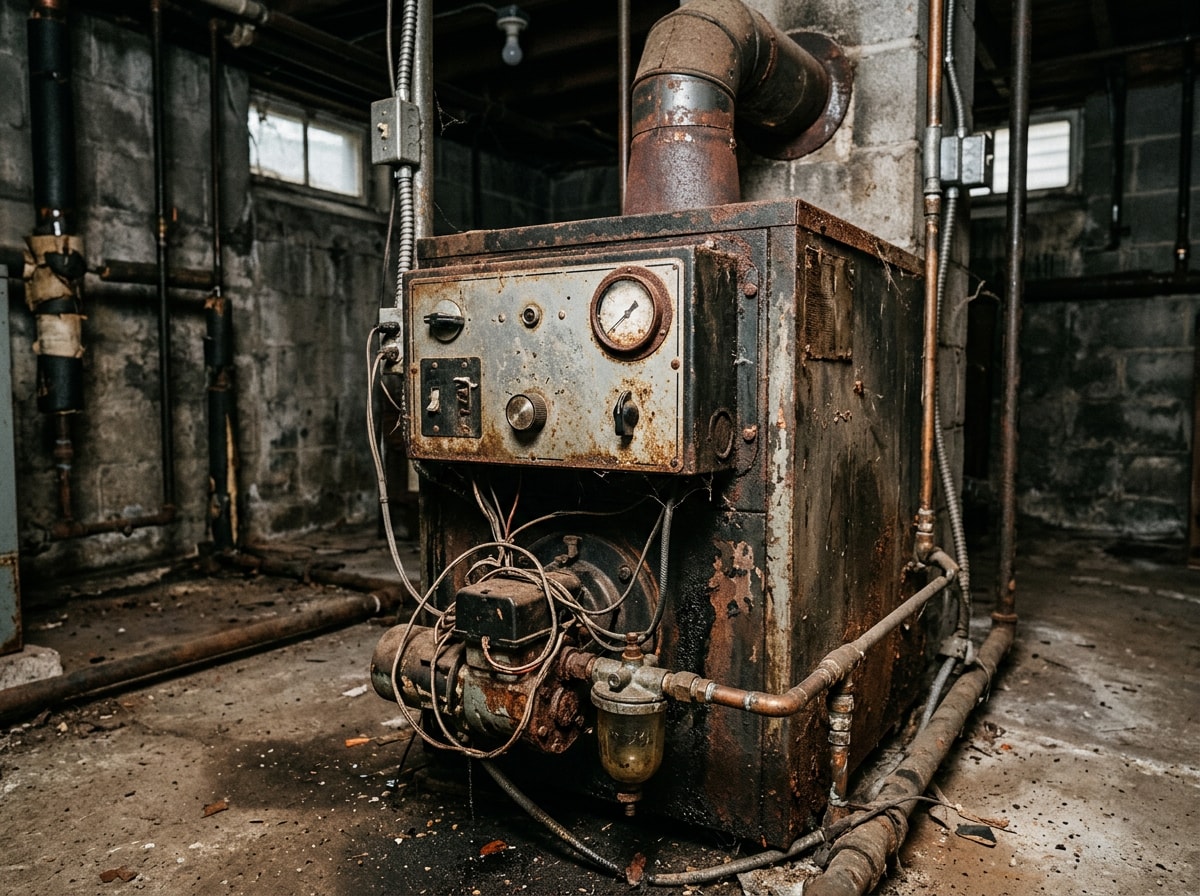
Most homeowners start asking about replacement once repair bills start piling up or the unit crosses the 20-year mark. A furnace that's over two decades old, needs frequent service calls, or struggles to heat evenly is usually costing more to keep alive than to replace.
Oil furnaces typically run 15 to 25 years with regular upkeep, and the components that fail first are usually the burner nozzle, heat exchanger, and controls, not the cabinet itself. Oil heat is also uncommon across metro Atlanta, which means parts and experienced technicians can be harder to source locally compared to gas or electric systems.
Our technicians who service older homes around Crabapple and Windward see this pattern constantly: the furnace itself still runs, but the tank or liner is the part quietly failing underneath it. Alpharetta's mild winters change the math a little too. A furnace that would be nursed through a harsh New England winter faces far less strain here, so a borderline unit may have a few extra seasons left. Once repair costs exceed roughly 30-40% of replacement cost, though, installation almost always wins out. If you want a second opinion before committing either way, our furnace repair team can tell you honestly whether a repair still makes sense.
Oil Furnace vs. Gas Furnace: What's Different in North Fulton County
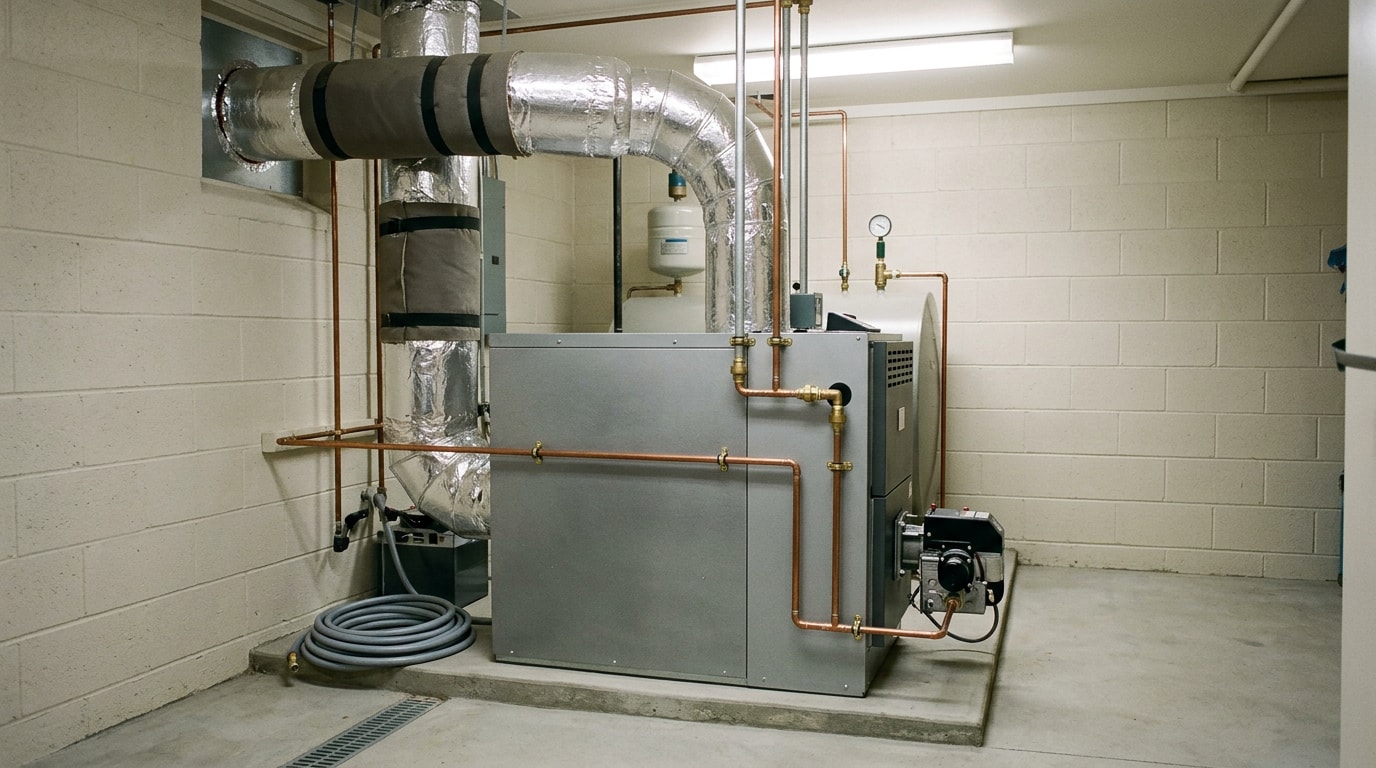
An oil furnace is a forced-air heating system that burns fuel oil stored in an on-site tank, using a burner to ignite the oil and a heat exchanger to warm air circulated through ductwork. Unlike gas furnaces, it doesn't rely on a utility pipeline, which is exactly why oil heat exists at all.
Historically, homes without access to a natural gas main turned to oil as the alternative fuel source. In Alpharetta, gas lines and heat pumps are widely available, so oil furnaces are far less common here than in older Northeast housing stock. Comparing oil furnace vs. gas furnace options mostly comes down to fuel availability, upfront equipment cost, and whether an existing oil heating system is already in place and still has useful life left in the tank and venting.
Oil Furnace Installation Cost in Alpharetta, GA
Budgeting for oil furnace installation cost in Alpharetta means accounting for more than just the unit itself. Because oil systems need a storage tank, dedicated venting, and sometimes a chimney liner, installed pricing tends to run noticeably higher than comparable gas or electric setups.
| Cost Component | Typical Range |
|---|---|
| Furnace unit | $2,500 – $6,500 |
| Labor & installation | $1,500 – $3,500 |
| Oil storage tank (if needed) | $1,200 – $4,600 |
| Chimney liner (if needed) | $900 – $3,800 |
| Permit & inspection fees | $75 – $300 |
Total oil furnace replacement cost in Alpharetta generally lands between $5,500 and $13,500 installed, with budget single-stage units at the low end and premium variable-speed models with new tanks and liners pushing toward the top. For a full breakdown of what's included in a typical quote, see our furnace replacement page.
Oil Furnace Brands, Efficiency Tiers & a Fact Most Quotes Skip
Oil furnace price varies widely by brand tier:
- Entry-level units typically run $2,500-$3,800, with standard efficiency ratings and fewer features.
- Mid-to-high-tier units run $4,000-$6,500+, with higher AFUE ratings, quieter burners, and longer warranties.
Here's the detail most contractors don't volunteer up front: there's no such thing as a condensing oil furnace the way there is condensing gas equipment. Modern oil units top out around 83-87.5% AFUE, so the 96%+ efficiency ratings common on gas furnaces simply don't exist for oil. That ceiling matters when you're comparing a like-for-like oil replacement against converting to gas or a heat pump, since the long-term fuel savings math looks different once you know oil can't reach those same efficiency numbers. Our furnace sales team can walk through both paths side by side.
Permits, Codes & Technical Requirements for Oil Furnace Installation
Replacing or installing an oil furnace in Alpharetta requires a mechanical permit, with rough-in and final inspections before the system can legally operate. Fulton County treats electrical, mechanical (HVAC), and plumbing as separate trade permits, and a contractor pulling the wrong one, or skipping it, can create real problems during a home sale or insurance claim. You can see how Fulton County structures these trade permits and forms directly on the county's site.
Oil-burning equipment carries an additional layer of compliance beyond the general mechanical permit: it must meet NFPA 31, the national standard for installing oil-burning equipment. This covers everything from tank placement to venting and fuel-line routing, and it's stricter than general mechanical code because combustion and fuel storage introduce fire and spill risks that gas systems don't carry in the same way.
Your contractor should be able to walk you through code compliance before work begins, not after the inspector flags an issue.
Oil Supply and Burner Configuration Standards
Proper oil burner installation depends on correct pump pressure (typically 100-150 psi), fuel filtration rated to remove fine particulates, and adequate clearance around the unit for safety and servicing access.
| Clearance Area | Typical Minimum |
|---|---|
| Front (service access) | 24-36 inches |
| Sides | 6-12 inches |
| Rear | 6 inches |
| Flue/vent connector | 18 inches from combustibles |
These clearance requirements can vary slightly by manufacturer and local amendment, so always confirm exact figures against the installed unit's labeled specifications. Proper oil filtration also protects the burner nozzle from clogging, which is one of the most common causes of ignition failure in oil systems.
Hiring a Professional for Oil Furnace Installation
Oil furnace installation is not a DIY-friendly project. Fuel-line connections, combustion tuning, and venting work all carry real safety risks if handled incorrectly, which is why this falls squarely in licensed-trade territory.
Before you hire an installer, ask for an itemized quote that spells out unit cost, labor, permit fees, and any tank or chimney work separately. Vague, bundled pricing makes it hard to compare bids. Confirm the company is a licensed HVAC contractor serving Alpharetta, carries proper insurance, and will register your warranty paperwork after the job.
It's also worth asking what a conversion would cost before committing to another oil unit. Oil-to-gas conversions in homes with gas already at the street typically run $3,800 to $13,000 depending on how much new gas line and venting work is needed, and for households already weighing that decision, it's worth pricing both paths before signing anything. You can see examples of past installs and conversions on our projects page, or schedule a free inspection and we'll price out both options for your home.
The Oil Furnace Installation Process, Step by Step
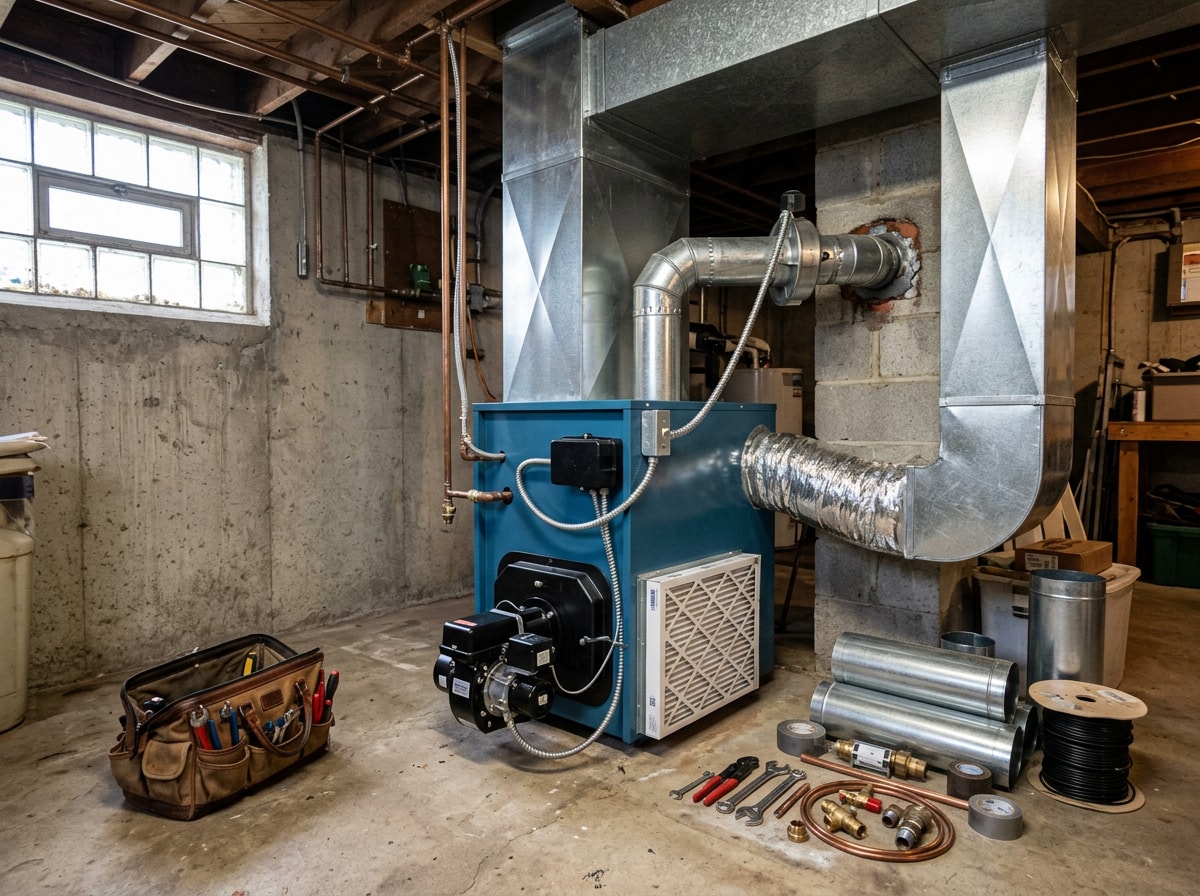
Knowing the installation process ahead of time makes install day go smoother. Here's what typically happens:
- Prep: Clear the area around the furnace and confirm electrical, fuel line, and venting paths are accessible before the crew arrives.
- Removal: Technicians shut down and disconnect the old unit, then remove it from the mechanical space.
- Placement: The new furnace is positioned, leveled, and connected to ductwork, the fuel line, electrical supply, and the venting system, with careful attention to flue alignment.
- Testing: The crew runs combustion and airflow tests, calibrates the thermostat, and checks for proper draft before calling the job complete.
- Walkthrough: A final walkthrough covers basic operation and maintenance expectations.
Most straightforward jobs wrap up in a single day. For more on scheduling, see our furnace installation page or the Alpharetta service area page.
Startup, Maintenance & Efficiency After Installation
A new oil furnace needs annual tune-ups, ideally before each heating season, along with filter changes roughly every 90 days to keep airflow and combustion efficiency steady. Homeowners can also do a quick visual check between service visits: duct connections should be sealed properly (never patched with duct tape), and the unit should sit level on its base or pad. Our HVAC maintenance plans cover both of those visits so you're not tracking the calendar yourself.
One correction worth flagging if you've seen other guides mention a tax credit: the federal Section 25C Energy Efficient Home Improvement Credit expired for equipment placed in service after December 31, 2025, under the One Big Beautiful Bill Act. That means a furnace installed in 2026 doesn't qualify for a federal credit the way a 2025 install might have. The IRS's own FAQ on the change lays out exactly what ended and when. Check ENERGY STAR's furnace page for current efficiency benchmarks, and ask your utility about state or local rebates instead, since those weren't affected by the federal change.
If your home is still running an older gravity-fed system rather than a forced-air oil furnace, the upgrade math looks different. Our guide on gravity furnace systems in Sandy Springs covers what those older setups mean for replacement timing.
FAQ
How Long Does an Oil Furnace Last?
A well-maintained oil furnace typically lasts 15 to 25 years. Units that receive annual tune-ups and regular filter changes tend to land at the higher end of that range, while neglected units often fail earlier due to burner wear and fuel-line buildup.
How Much Does It Cost to Convert an Oil Furnace to Gas?
Oil-to-gas conversions typically cost $3,800 to $13,000, averaging around $8,500, depending on whether a new gas line needs to be run from the street and how much ductwork or venting work is involved. Conversion tends to pay for itself over several years through lower fuel costs, but it only makes sense if gas service is already available at or near the property.
Can I Install a Furnace Myself?
No. Furnace installation codes require licensed professionals for fuel-burning equipment like oil furnaces. DIY installation isn't just risky from a combustion and fuel-line safety standpoint; it also won't pass required inspections or satisfy warranty terms.
Do I Need a Permit for Furnace Installation in Alpharetta?
Yes. Furnace installation in Alpharetta requires a mechanical (HVAC) trade permit through Fulton County, along with rough-in and final inspections. This confirms the system meets both general mechanical code and oil-specific requirements under NFPA 31.
Does a New Oil Furnace Qualify for a Tax Credit in 2026?
No. The federal Section 25C credit that used to apply to qualifying furnaces expired for any equipment placed in service after December 31, 2025. A furnace installed in 2026 won't qualify for that federal credit, though state or utility rebates may still apply depending on your provider.
Ready to get exact numbers for your home instead of a national range? Schedule a free inspection and our technicians will walk your mechanical room, check your tank and venting, and give you a written quote the same visit. If you're outside Alpharetta, we also serve Roswell, Cumming, and Sandy Springs. Browse the homepage for our full list of heating and cooling services.